
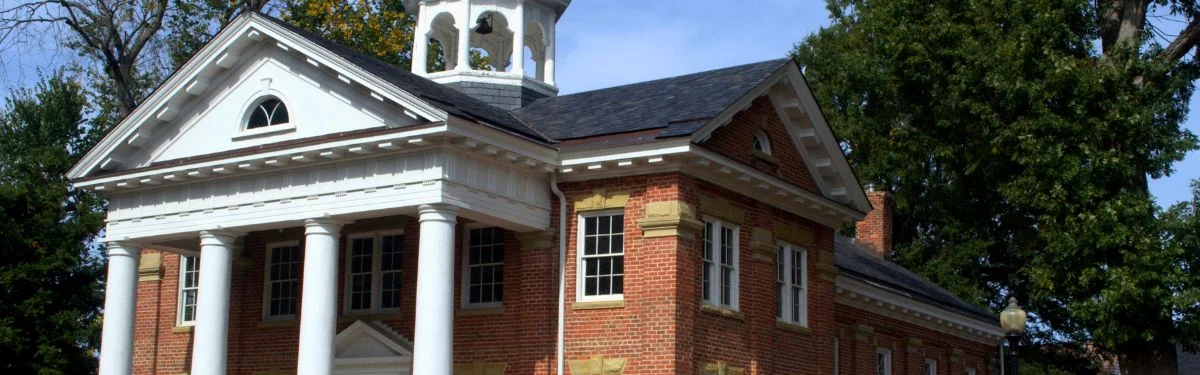
Virginia’s deep history is visible throughout Chester and the surrounding areas of Chesterfield County. Early settlements, colonial plantations, and Civil War landmarks helped shape the community long before modern neighborhoods and businesses arrived.
Today, many of these historic homes remain carefully preserved and open to visitors. Some operate as museums, others host events, and a few have found new life as restaurants and community spaces. Exploring these sites offers a fascinating way to connect with the people and events that helped shape the region.
In This Article:
Bellgrade Plantation
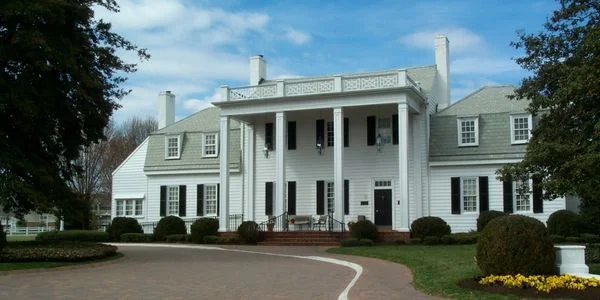
Belgrade Plantation dates back to 1732 and stands among the earliest historic homes in Chesterfield County. Builders expanded the house in 1824 by adding wings to the original structure.
During the Civil War, the property played an active role in the region’s military activity. Confederate General A.P. Hill used the house as his headquarters, and the building later served as a Confederate hospital.
Over time, the estate changed names twice. Owners first renamed the property Belvidere, then Alandale, before the site took on its modern identity. Now, the historic building houses Ruth’s Chris Steak House, giving visitors a unique opportunity to experience a piece of Virginia history while dining inside a structure that dates back nearly three centuries.
Castlewood
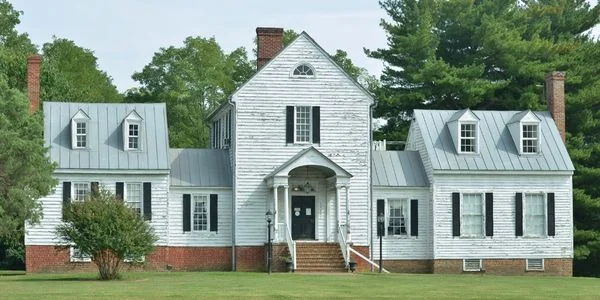
Castlewood sits near the historic Chesterfield County Courthouse and represents a unique architectural landmark in the area. County clerk Parke Poindexter built the Federal-style home in 1917, incorporating several earlier structural elements into the final design.
The house developed in stages over time. The central section likely dates to the early nineteenth century, while later additions expanded the structure into the five-part layout seen today.
Today, the Chesterfield Historical Society uses Castlewood as a venue for events and educational programs. Visitors attending special events can explore the property while learning about the county’s early government and community development.
Eppington Plantation
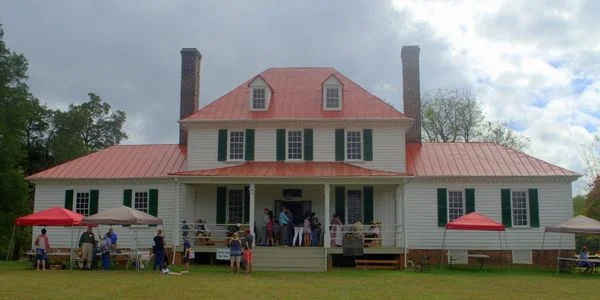
Eppington Plantation is often considered the crown jewel of historic homes in Chesterfield County. Built around 1768, the house served as the home of Francis Eppes VI, a successful planter and the brother-in-law of Thomas Jefferson.
The plantation reflects classic eighteenth-century Georgian architecture. Its design includes a symmetrical three bay layout, a two and a half story central block, and distinctive dormers set beneath a hipped roof.
Today, Eppington Plantation remains an important historic site that preserves the architectural style and historical character of the eighteenth century. Visitors can explore the grounds and learn about the plantation’s connection to Virginia’s colonial history and prominent early American families.
Half-Way House Restaurant
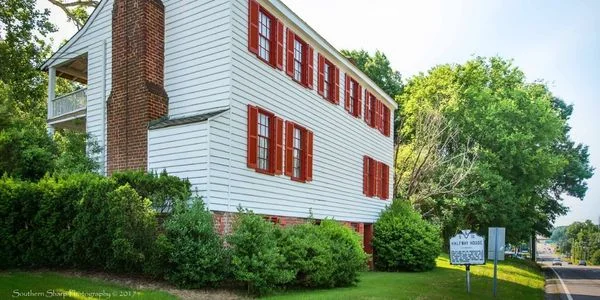
The historic Halfway House became an important stop for travelers during the nineteenth century. Located between Richmond and Petersburg, the inn provided food, rest, and lodging for travelers moving between the two cities.
Many notable historical figures passed through the inn during its early years, including the Marquis de Lafayette, Patrick Henry, Thomas Jefferson, Robert E. Lee, and Ulysses S. Grant.
Today, the historic building operates as a family-owned restaurant. Guests can enjoy classic Southern cuisine while dining inside a structure that dates back to the Revolutionary era. The restaurant preserves much of the building’s historic character, allowing visitors to experience a piece of Virginia’s past while enjoying a meal.
Magnolia Grange
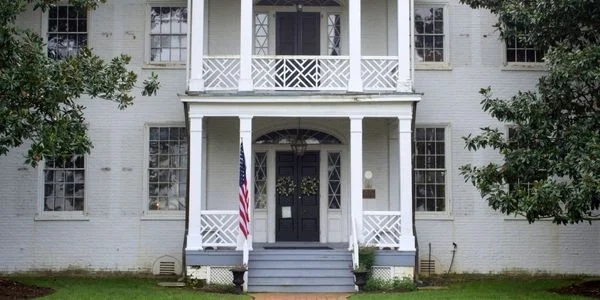
Magnolia Grange stands as one of Chesterfield County’s best-preserved nineteenth-century homes. Builders constructed the house using designs from an architectural pattern book widely used by Virginia builders in the early 1800s.
The property takes its name from the circle of magnolia trees and formal boxwoods that once surrounded the house. Inside, much of the original craftsmanship remains intact. Visitors can see ornate woodwork, decorative ceiling medallions, and Federal-style mantels supported by slender Ionic columns.
Today, Magnolia Grange operates as a historic museum and education center. Guests can tour the home to learn about daily life in nineteenth-century Virginia and attend living history programs that recreate the traditions and activities of the period.
Other Historic Things to Do Near Chester
In addition to visiting historic homes, the Chester area offers several other ways to explore local history. Nearby Henricus Historical Park recreates one of the earliest English settlements in Virginia and offers interactive exhibits that demonstrate life during the seventeenth century.
History enthusiasts can also explore Bermuda Hundred and other Civil War sites throughout Chesterfield County. These landmarks highlight the important role the region played during the conflict and help preserve the stories of soldiers and residents who lived through that period.
These historic destinations allow visitors to connect with multiple chapters of Virginia’s past while exploring the communities surrounding Chester.
Discover History Near Chester, VA
Historic homes, preserved landmarks, and living history museums throughout Chesterfield County make it easy to explore the stories that shaped the region. Residents can spend the day touring local museums, visiting historic landmarks, or enjoying a meal inside a building that has welcomed travelers for generations.
At The Reserve at Rivington Apartments in Chester, VA, residents enjoy convenient access to Chester’s historic landmarks as well as nearby Richmond destinations, local parks, and vibrant community spaces. The location makes it easy to explore the history, culture, and outdoor experiences that define life in Chesterfield County.
If you are searching for a luxury home with access to one of Virginia’s most historic regions, we invite you to explore The Reserve at Rivington Apartments, where you’ll find the perfect place to experience everything Chester has to offer.
Related Articles:


(804) 414-8665